

First Aid Tips Every Pet Parent Should Know
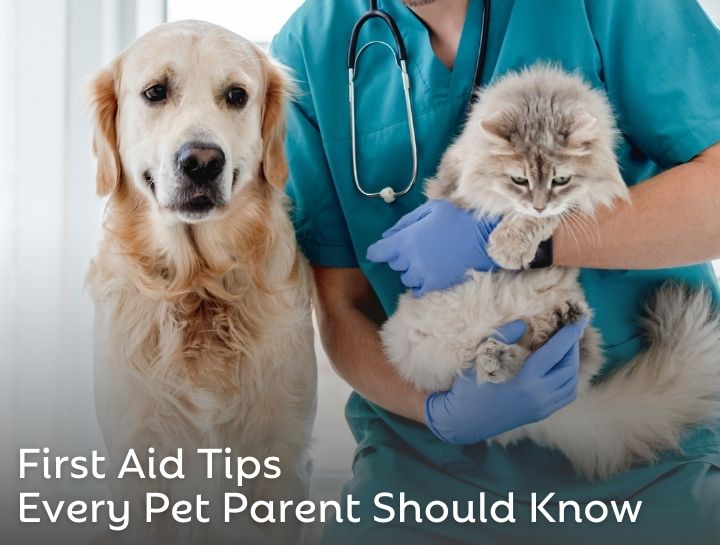
As pet parents, we adore our furry companions. They bring so much joy and unconditional love into our lives. But along with the joys comes the responsibility of keeping them safe and healthy. While we hope you never have to face a pet emergency, being prepared can make all the difference. That's why we've compiled this guide with essential first aid tips that every pet parent should know.
Building Your Pet First Aid Kit
Whether you decide to build your own or buy a pre-made kit, we recommend keeping these essentials in your pet’s emergency kit:
- Emergency Phone Numbers
- Middlebranch Veterinary ((845) 278-8000)
- The closest 24-hour ER hospital
- Pet Poison Helpline (1-855-764-7661)
- Family or friends you trust
- If traveling, also consider researching and saving contact information for ER hospitals near your destination to be safe
- Absorbent Gauze
- Adhesive Tape
- Cohesive Bandage (Vet Wrap)
- Digital Thermometer
- Tweezers
- Saline Solution
- Scissors
Every six months, check your kit for expired items, especially ointments or antiseptic wipes. If you have extra space, "nice-to-have" additions include disposable gloves, a syringe for flushing wounds, a foil emergency blanket for shock, and a small bottle of 3% hydrogen peroxide (only to be used to induce vomiting if specifically instructed by a veterinarian).
First Aid in Action
When a crisis hits, your goal is to stabilize your pet and get them to us safely. Here are the critical steps for the three most common emergencies:
-
Severe Bleeding: Use a clean cloth or gauze to apply firm, direct pressure to the wound. Do not lift the cloth to check if it has stopped, as this can break the clot; simply add more layers if blood soaks through.
-
Choking: If your pet is struggling to breathe, look inside the mouth. If you see an object, try to gently sweep it out with a tool, like the handle end of a utensil, but be careful not to push it deeper. If they are unconscious, you can perform a modified Heimlich maneuver by placing your hands on both sides of the ribcage and applying 3–4 quick, firm squeezes.
-
Pet CPR: If there is no pulse and no breathing, lay your pet on their right side. Perform 100–120 chest compressions per minute (think of the beat of "Stayin' Alive" by the Bee Gees).
Household Toxins: What to Watch For
Our homes can contain many common items that are dangerous or deadly to pets. Familiarizing yourself with these common household items can prevent accidental poisonings.
-
Foods: Alcohol, chocolate, coffee, garlic, grapes, macadamia nuts, onions, raisins, and xylitol.
-
Plants: Azalea, caladium, cyclamen, lilies, oleander, pothos, sago palm, and tulips.
-
Household Items: Antifreeze, cleaning products, fertilizer, human medication, insecticides, rodenticides, and weed killer.
If you suspect your pet has ingested something toxic, stay calm, call us immediately at (845) 278-8000, try to determine what was ingested (how much, when, packaging details), and do not induce vomiting unless instructed.
Knowledge Is Your Best Preparation
The keys to effective pet first aid are knowledge and preparation. Assemble a well-stocked kit, learn these life-saving techniques, and be aware of common household items to keep away from your pets. Remember, even with first aid, many situations require immediate veterinary attention. We are here for you and your furry family members, whether it's an emergency or just a check-up. If you have an emergency, call us immediately. If you have any questions about pet first aid or want to discuss tips during your pet's next visit, please don't hesitate to ask us.